
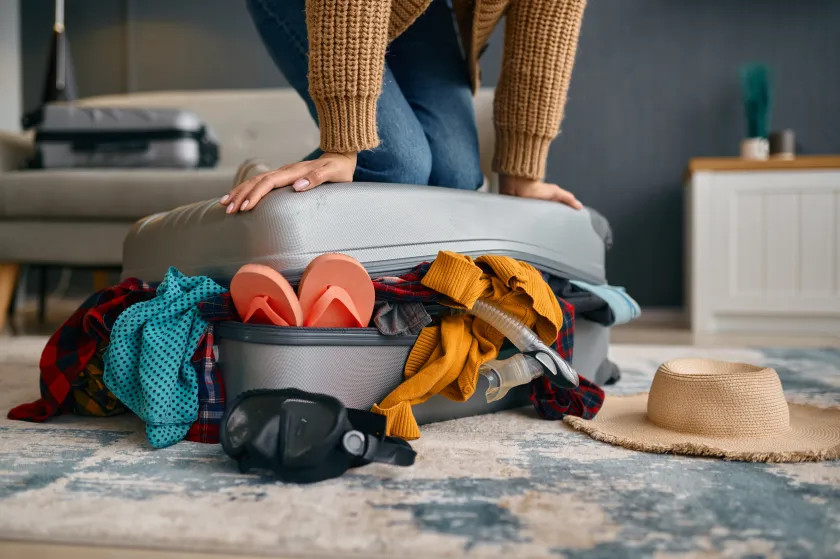
How to Reduce Luggage Weight When Traveling
Traveling with heavy luggage can make an otherwise enjoyable trip stressful. From struggling with an overstuffed suitcase at the airport to worrying about excess baggage fees, carrying too much can create unnecessary problems. The good news is that reducing luggage weight does not mean leaving behind everything you need. It is mainly about packing more thoughtfully, choosing versatile items, and eliminating things you are unlikely to use.
Whether you are taking a short weekend trip, going on an international vacation, or traveling for business, a lighter suitcase is usually easier to manage. Before packing, travelers can also find useful ideas and practical travel resources at gotravellights.com to make their trips more convenient.
Start With a Packing Plan
One of the easiest ways to reduce luggage weight is to plan before putting anything into your suitcase. Packing without a list often leads to unnecessary items, duplicate clothing, and things that are packed simply because they might be useful.
Start by considering the destination, length of the trip, weather, planned activities, and access to laundry. Then create a basic list of what you genuinely need.
Instead of packing for every possible situation, focus on realistic scenarios. If you are traveling for five days, you probably do not need ten complete outfits. A simple plan can help you identify which items are essential and which ones can stay at home.
Choose Lightweight Luggage
Your suitcase itself contributes to the total weight you have to carry or check. A heavy suitcase can use a significant portion of your baggage allowance before you have packed anything.
When buying luggage, look for lightweight designs that still provide sufficient durability and useful storage space. Soft-sided luggage can sometimes provide more flexibility, while lightweight hard-shell options may offer good protection for certain types of travel.
The goal is not simply to choose the smallest suitcase. Instead, choose luggage that provides enough capacity without encouraging you to fill every available space.
Pack Versatile Clothing
Clothing can quickly become one of the heaviest parts of your luggage. A better approach is to choose pieces that can be combined in several ways.
For example, a pair of neutral trousers may work with multiple shirts. A lightweight jacket can be worn over different outfits rather than packing several heavy outer layers.
Consider creating a small travel wardrobe based around complementary colors. This allows you to create more outfits from fewer pieces.
You should also consider whether every item needs to be packed. Clothing that is bulky, rarely used, or difficult to combine with other pieces should receive extra consideration before going into the suitcase.
Use the Layering Strategy
Instead of packing a thick sweater and a heavy coat, consider whether lighter layers can provide similar warmth. Several lightweight layers can often be more adaptable because they can be added or removed depending on the temperature.
This approach is particularly useful when traveling between destinations with different weather conditions.
Wear Your Heaviest Items
Another simple luggage-weight reduction technique is to wear heavier clothing while traveling.
If you need boots, a thick jacket, a sweater, or heavier trousers, wearing them during your journey can save valuable space and weight in your suitcase. You can always remove a jacket or sweater during the flight and keep it with you rather than placing it inside your checked bag.
However, comfort should remain a priority. There is little benefit in wearing extremely bulky clothing if it makes the journey uncomfortable.
Reduce Toiletry Weight
Toiletries can take up more space and weight than many travelers expect. Full-size shampoo bottles, conditioners, lotions, and other personal-care products can quickly add unnecessary weight.
Whenever possible, use appropriately sized travel containers rather than carrying full-size bottles. You can also consider whether your accommodation provides basic toiletries.
Solid alternatives can be useful for some products because they may take up less space and can reduce the number of liquid containers you need to carry.
Before packing toiletries, check what you actually use every day. Avoid taking several products that perform essentially the same function.
Limit Shoes
Shoes are often surprisingly heavy and difficult to pack efficiently. Instead of taking a different pair for every outfit, choose footwear that can serve multiple purposes.
For many trips, one comfortable pair for walking and one additional pair for specific occasions may be enough. If you need formal footwear, consider whether your everyday shoes can work for some activities as well.
Place socks or other small items inside shoes to make better use of the available space.
Avoid Packing “Just in Case” Items
The phrase “just in case” is responsible for a lot of unnecessary luggage.
Travelers often pack items because they might need them, even though the likelihood of using them is very low. This could include extra clothing, duplicate electronics, excessive accessories, or specialized equipment.
Before packing an item, ask yourself three questions:
- Will I realistically use this?
- Can I buy or borrow it at my destination if necessary?
- Can another item already in my luggage serve the same purpose?
If the answer suggests that the item is unnecessary, leave it behind.
Minimize Electronics and Accessories
Technology is useful when traveling, but electronics and their accessories can add considerable weight. Phones, tablets, laptops, cameras, chargers, power banks, headphones, adapters, and cables can quickly fill a bag.
Take only the devices you genuinely need.
You can also reduce cable clutter by identifying which chargers or cables are compatible with multiple devices. A compact universal adapter may be more practical than carrying several separate adapters when appropriate for your destination.
Keep important electronics and necessary chargers accessible rather than burying them beneath layers of clothing.
Use Compression Carefully
Compression bags can help reduce the volume of clothing, but they do not actually make the clothing lighter. This distinction is important.
If compression allows you to fit more items into your suitcase, it can unintentionally encourage overpacking. You may end up with a compact but excessively heavy bag.
Use compression primarily to organize bulky clothing and save space, while still paying attention to the total weight.
Weigh Your Luggage Before Leaving
One of the most effective ways to prevent overweight baggage surprises is to weigh your suitcase at home.
A small luggage scale can help you determine whether you are within the airline’s baggage allowance. Baggage policies vary by airline, route, ticket type, and cabin, so travelers should check the specific rules that apply to their journey. The International Air Transport Association’s passenger baggage guidance is also a useful general reference for understanding baggage considerations.
If your suitcase is too heavy, do not simply hope that the airline will overlook it. Remove unnecessary items before leaving home.
Consider Doing Laundry
Packing enough clothing for an entire trip can make your suitcase unnecessarily heavy. If laundry is available at your destination, you can pack fewer clothes and wash them during the trip.
This is especially effective for longer journeys.
For example, instead of packing fourteen complete outfits for a two-week vacation, you might bring a smaller selection of versatile clothing and wash some pieces along the way. Lightweight clothing can also dry relatively quickly when appropriate.
Laundry does require a little planning, but it can dramatically reduce the amount of clothing you need to carry.
Leave Room for Your Return Journey
Travelers sometimes forget that their luggage may become heavier during the trip. Souvenirs, gifts, shopping, printed materials, and other purchases can quickly increase the weight of a suitcase.
Leaving some space and weight capacity before departure gives you flexibility later.
If you know you intend to shop, consider packing with that plan in mind. A lightweight foldable bag can also be useful for separating items when necessary, provided you remain within your airline’s baggage limits.
Pack by Priority
A useful final strategy is to divide your belongings into three categories: essential, useful, and optional.
Essential items should include things you cannot reasonably travel without, such as required documents, necessary medications, basic clothing, and important personal items.
Useful items are things that improve convenience but may not be absolutely necessary.
Optional items are those you would like to bring but could easily live without.
Pack the essential items first. Then add useful items based on available weight. Optional items should be the first things removed if your luggage becomes too heavy.
Final Thoughts
Reducing luggage weight is less about packing less and more about packing intelligently. Choosing lightweight luggage, planning outfits, limiting shoes, reducing toiletries, minimizing electronics, and avoiding unnecessary “just in case” items can make a major difference.
The most effective habit is to weigh your luggage before leaving home and make a final review of everything you have packed. Ask whether each item has a genuine purpose and whether you can use something else instead.
With a little preparation, travelers can enjoy lighter bags, easier transportation, and fewer worries about baggage limits while still having the essentials they need for a comfortable trip.