
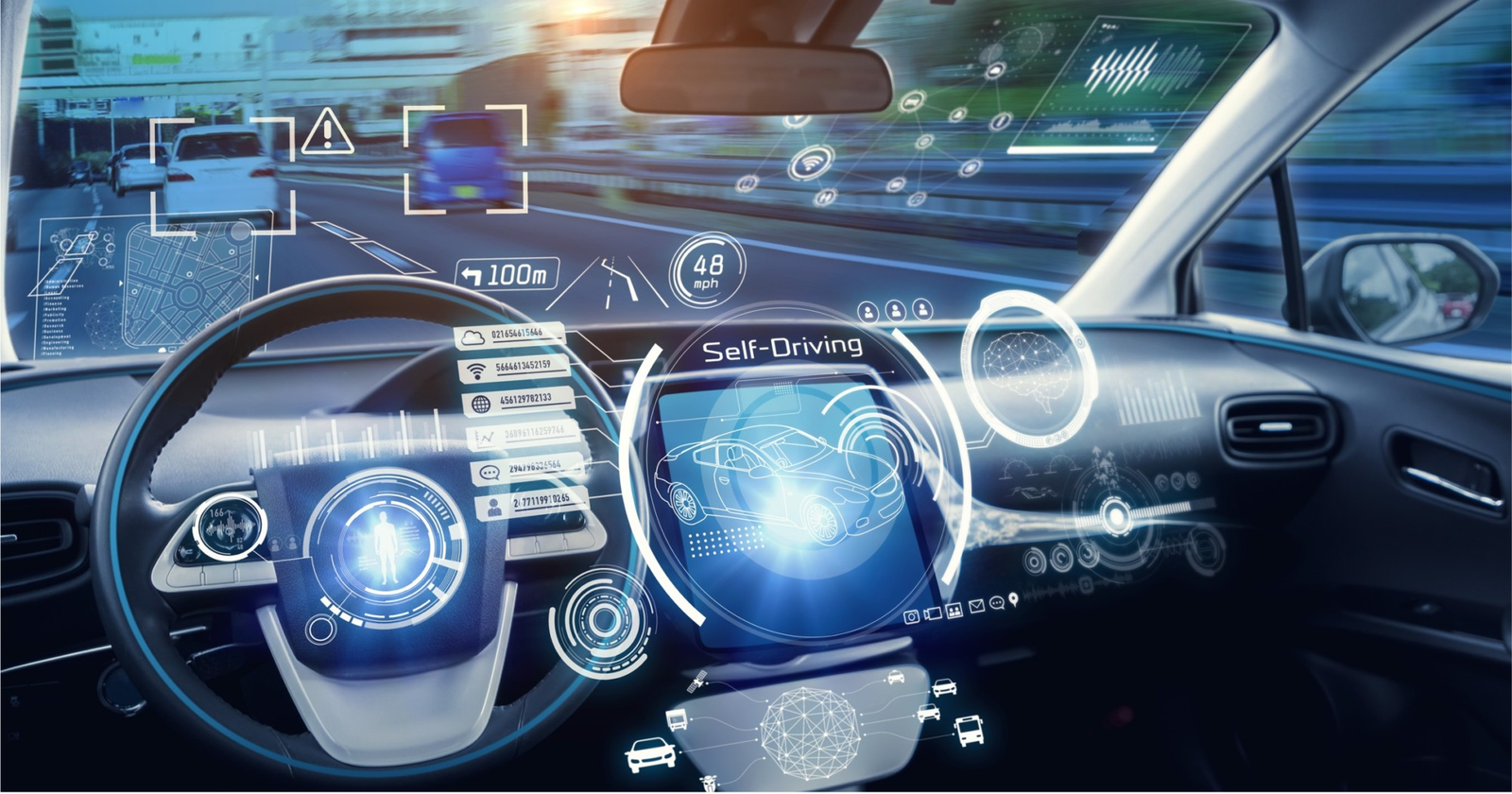
What Are the Latest Automotive Technology Trends?
The automotive industry is changing faster than ever before. Modern vehicles are no longer just machines that take people from one place to another. Today’s cars are becoming smarter, safer, more connected, and environmentally friendly. From electric vehicles and self-driving features to artificial intelligence and advanced safety systems, automotive technology is transforming how people drive and interact with their vehicles.
If you are interested in understanding what is happening in the automotive world, this guide will explain the latest automotive technology trends in simple and easy-to-understand language. Many automotive enthusiasts and readers on carsthrust.com are exploring these innovations because they are shaping the future of transportation.
The Rise of Electric Vehicles (EVs)
One of the biggest trends in the automotive industry is the growing popularity of electric vehicles. Electric cars use batteries instead of traditional gasoline or diesel engines. As concerns about pollution and fuel costs continue to grow, more consumers are switching to EVs.
Major car manufacturers are investing billions of dollars in electric vehicle development. Companies are introducing new models with longer driving ranges, faster charging capabilities, and improved battery performance.
Benefits of electric vehicles include:
- Lower fuel costs
- Reduced emissions
- Quieter driving experience
- Less maintenance compared to traditional vehicles
As battery technology improves, electric cars are becoming more practical for everyday drivers. According to discussions on carsthrust.com, EVs are expected to become even more common over the next decade.
Advanced Driver Assistance Systems (ADAS)
Safety has always been a priority in vehicle design, and modern technology is making cars safer than ever before. Advanced Driver Assistance Systems, commonly known as ADAS, help drivers avoid accidents and improve road safety.
Popular ADAS features include:
- Automatic emergency braking
- Lane departure warning
- Adaptive cruise control
- Blind spot monitoring
- Parking assistance
- Traffic sign recognition
These technologies use cameras, sensors, and radar systems to monitor the vehicle’s surroundings. They can alert drivers to potential dangers and sometimes take corrective action automatically.
Many experts featured on carsthrust.com believe that ADAS technology is an important step toward fully autonomous driving.
Autonomous and Self-Driving Vehicles
Self-driving cars have moved from science fiction into reality. Although fully autonomous vehicles are not yet widely available, significant progress is being made.
Autonomous driving technology relies on:
- Artificial intelligence
- Cameras
- LiDAR sensors
- Radar systems
- GPS technology
These systems work together to help a vehicle understand its environment and make driving decisions.
Most modern vehicles currently offer partial automation features such as lane keeping and adaptive cruise control. Future vehicles may eventually drive themselves with little or no human input.
The automotive industry continues to test and improve autonomous technology, making it one of the most exciting trends discussed on carsthrust.com.
Connected Cars and Internet Integration
Today’s vehicles are becoming connected devices. Connected car technology allows vehicles to communicate with smartphones, other vehicles, and even traffic infrastructure.
Features commonly found in connected vehicles include:
- Real-time navigation updates
- Remote vehicle monitoring
- Smartphone integration
- Vehicle health reports
- Over-the-air software updates
Drivers can now lock or unlock their cars remotely, start engines through mobile apps, and receive maintenance alerts directly on their phones.
This level of connectivity creates a more convenient and personalized driving experience. Many automotive analysts featured on carsthrust.com believe connected vehicles will become standard in future transportation systems.
Artificial Intelligence in Vehicles
Artificial intelligence (AI) is becoming a major part of automotive innovation. AI systems help vehicles analyze information, make decisions, and improve performance.
Some common uses of AI in cars include:
- Voice assistants
- Predictive maintenance
- Driver behavior analysis
- Autonomous driving support
- Navigation optimization
AI-powered assistants can answer questions, adjust vehicle settings, and provide directions using natural language commands.
As technology advances, AI will continue making vehicles smarter and more responsive to driver needs.
Over-the-Air Software Updates
In the past, updating vehicle software often required visiting a dealership. Today, many manufacturers offer over-the-air updates that work similarly to smartphone updates.
Benefits include:
- Improved vehicle performance
- Enhanced security features
- Bug fixes
- New functionality additions
Drivers can receive software improvements without leaving home. This technology allows manufacturers to continuously improve vehicle capabilities even after purchase.
Experts on carsthrust.com consider over-the-air updates one of the most practical innovations in modern vehicles.
Smart Infotainment Systems
Infotainment systems have evolved dramatically in recent years. Modern vehicles now feature large touchscreens, voice controls, and advanced multimedia capabilities.
Popular infotainment features include:
- Apple CarPlay
- Android Auto
- Voice recognition
- Streaming services
- Wireless smartphone connectivity
Drivers can access music, navigation, messaging, and calls through integrated systems that reduce distractions and improve convenience.
As consumer expectations grow, automakers continue investing heavily in smarter infotainment experiences.
Vehicle-to-Everything (V2X) Communication
Vehicle-to-Everything communication is another emerging trend that could significantly improve road safety.
V2X technology enables communication between:
- Vehicles and vehicles (V2V)
- Vehicles and infrastructure (V2I)
- Vehicles and pedestrians (V2P)
This communication helps drivers receive warnings about traffic, accidents, road hazards, and weather conditions before they become visible.
Although still developing, V2X technology has the potential to reduce accidents and improve traffic efficiency worldwide.
Sustainable Materials and Eco-Friendly Manufacturing
Environmental sustainability is becoming increasingly important in automotive production.
Manufacturers are using:
- Recycled plastics
- Sustainable fabrics
- Eco-friendly materials
- Renewable energy in factories
These efforts help reduce environmental impact while meeting growing consumer demand for greener products.
Many vehicle makers are focusing not only on reducing emissions but also on making the entire manufacturing process more sustainable.
Readers of carsthrust.com frequently follow these developments as sustainability becomes a major factor in purchasing decisions.
Improved Battery Technology
Battery innovation is critical to the future of electric vehicles.
Modern battery improvements include:
- Faster charging speeds
- Longer driving ranges
- Improved durability
- Better energy density
Researchers are also developing solid-state batteries, which may offer greater safety and performance compared to current lithium-ion batteries.
These advancements are expected to make electric vehicles more affordable and practical for consumers worldwide.
Biometric Vehicle Security
Traditional keys are gradually being replaced by advanced security systems.
New biometric technologies include:
- Fingerprint recognition
- Facial recognition
- Eye scanning systems
These systems improve vehicle security while offering greater convenience.
Instead of carrying keys, drivers may simply use their fingerprints or facial recognition to unlock and start their vehicles.
This technology is becoming more common in premium vehicles and may soon reach mainstream markets.
Augmented Reality Displays
Augmented reality is making its way into modern vehicles through advanced head-up displays.
These systems can project important information directly onto the windshield, including:
- Navigation directions
- Speed information
- Hazard warnings
- Traffic updates
Drivers can view critical information without taking their eyes off the road, improving both safety and convenience.
Automotive experts featured on carsthrust.com believe augmented reality displays will become increasingly common in future vehicles.
The Future of Automotive Technology
The future of transportation looks incredibly exciting. Innovations in artificial intelligence, connectivity, electrification, automation, and sustainability are transforming the driving experience.
Future vehicles may feature:
- Fully autonomous driving
- Advanced energy storage systems
- Seamless connectivity
- Enhanced safety technologies
- Greater environmental sustainability
As technology continues to evolve, drivers can expect vehicles that are smarter, safer, and more efficient than ever before.
Conclusion
The automotive industry is experiencing one of the most significant transformations in its history. Electric vehicles, autonomous driving systems, artificial intelligence, connected technologies, and sustainable manufacturing practices are shaping the future of transportation.
These innovations are improving safety, convenience, efficiency, and environmental responsibility. Whether you are a car enthusiast, a technology lover, or a potential vehicle buyer, understanding these trends can help you stay informed about the future of mobility.
As highlighted throughout carsthrust.com, automotive technology continues to advance rapidly, bringing exciting opportunities for drivers and manufacturers alike. The coming years will likely introduce even more groundbreaking innovations that redefine how people travel around the world.
Frequently Asked Questions (FAQs)
1. What is the biggest automotive technology trend today?
The biggest trend is the growth of electric vehicles (EVs), driven by environmental concerns, lower operating costs, and advances in battery technology.
2. Are self-driving cars available now?
Partially autonomous vehicles with driver-assistance features are available today, but fully autonomous cars are still being tested and developed.
3. What are connected cars?
Connected cars use internet technology to communicate with smartphones, other vehicles, and infrastructure, providing navigation, updates, and remote control features.
4. How does artificial intelligence improve vehicles?
AI helps with navigation, voice commands, predictive maintenance, driver assistance systems, and autonomous driving capabilities.
5. Why are over-the-air updates important for modern cars?
Over-the-air updates allow manufacturers to improve software, add features, fix issues, and enhance vehicle performance without requiring dealership visits.