
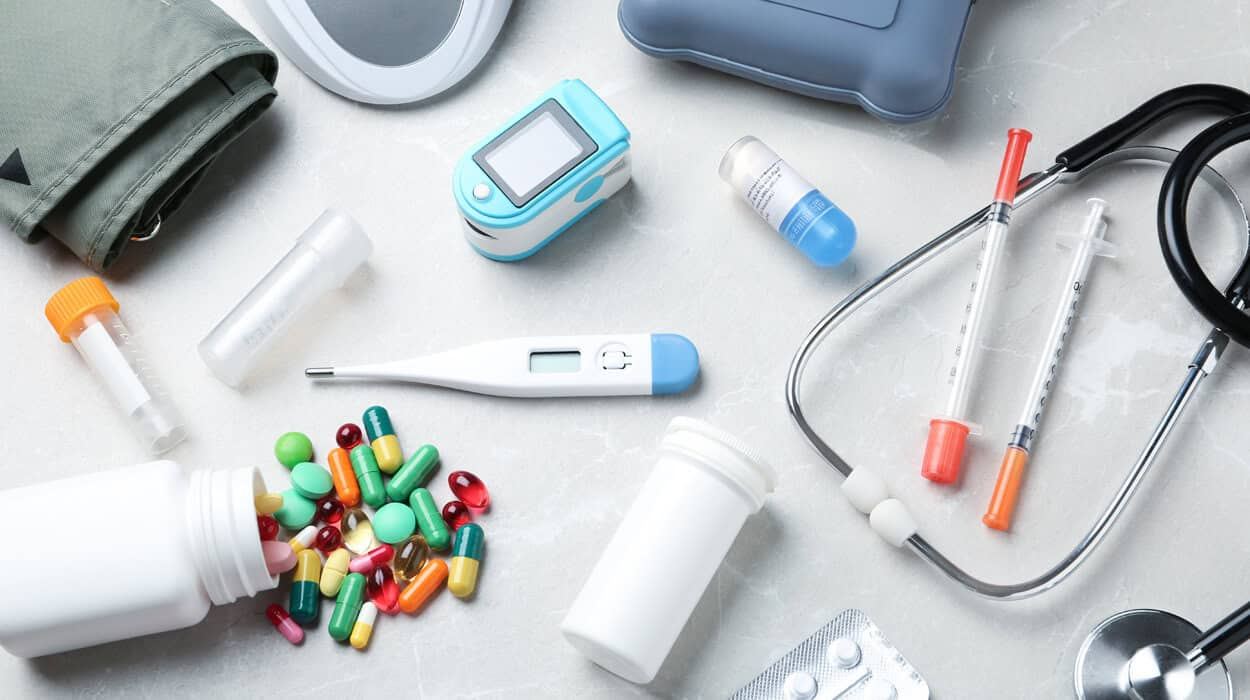
Physician Reviewed Emergency Medications: Why Trusted Medical Guidance Matters
Medical emergencies can happen at any time. Whether it is a sudden allergic reaction, a high fever, a deep cut, or unexpected chest discomfort, having the right medication available can make a big difference before professional medical help arrives. However, simply keeping medicines at home is not enough. They should be carefully selected, stored properly, and used correctly.
This is why physician reviewed emergency medications are becoming increasingly important for families, travelers, workplaces, schools, and outdoor enthusiasts. Medications reviewed by qualified physicians offer greater confidence because healthcare professionals have evaluated their purpose, safety, dosage, and appropriate use.
At urgentcarekit.com, the goal is to help people better understand emergency preparedness by providing reliable information about essential medical supplies and emergency medications. Learning how physician-reviewed medications fit into an emergency plan can help you make informed decisions when every second counts.
What Are Physician Reviewed Emergency Medications?
Physician reviewed emergency medications are medicines that have been evaluated or recommended by licensed medical professionals. Doctors review these medications to ensure they are appropriate for emergency situations, supported by medical evidence, and suitable for specific health needs.
This review process helps people understand:
- Which medications are useful during emergencies
- Proper dosage recommendations
- Possible side effects
- Drug interactions
- Safe storage methods
- When professional medical care is still necessary
The review does not mean these medicines replace emergency medical services. Instead, they serve as important first-response tools until healthcare professionals can provide further treatment.
Why Medical Review Is So Important
The internet is full of health advice, but not all of it is accurate. Choosing medications without expert guidance can lead to unnecessary risks.
Physician-reviewed recommendations provide several advantages.
Improved Safety
Doctors evaluate medications based on current medical knowledge. They understand which medicines are generally safe and which should only be used under professional supervision.
Better Emergency Preparation
Having the right medicine available before an emergency occurs saves valuable time. A physician-reviewed emergency kit focuses on medications that are actually useful rather than filling your cabinet with unnecessary products.
Reduced Medication Errors
One common problem during emergencies is taking the wrong medicine or incorrect dosage. Physician guidance helps reduce these mistakes.
Confidence During Stressful Situations
Emergencies often create panic. Knowing that your emergency medications have been selected using medical expertise provides peace of mind.
Common Emergency Medications Found in Preparedness Kits
Every emergency kit is different depending on age, medical history, travel plans, and health conditions. However, physician-reviewed emergency kits often include medications such as:
Pain Relievers
Pain medications can help manage headaches, minor injuries, muscle pain, and fever while waiting for medical evaluation.
Allergy Medication
Antihistamines may help reduce symptoms caused by mild allergic reactions such as itching, swelling, or skin rashes.
Fever Medication
Fever reducers are especially helpful for children and adults experiencing viral infections or flu-like symptoms.
Antiseptic Solutions
Cleaning wounds properly helps lower the chance of infection before professional treatment.
Bandages and Wound Care Supplies
Although not medications, these supplies work together with emergency medicines to manage cuts and injuries.
Oral Rehydration Products
Vomiting and diarrhea can quickly lead to dehydration. Rehydration solutions help replace lost fluids.
Burn Treatment Products
Minor burns can be treated using specially designed burn gels or dressings that cool and protect the affected area.
Who Should Keep Emergency Medications?
Almost everyone benefits from having an emergency medical kit.
Families
Children become sick unexpectedly. Parents often need quick access to fever reducers, allergy medication, and basic first-aid supplies.
Senior Citizens
Older adults may take several prescription medicines. A physician-reviewed emergency plan helps organize medications safely while reducing confusion during emergencies.
Travelers
Travel exposes people to unfamiliar environments where medical facilities may not always be nearby.
Outdoor Adventurers
Camping, hiking, fishing, and road trips increase the chance of minor injuries, insect bites, dehydration, and allergic reactions.
Offices and Businesses
Workplaces benefit from maintaining emergency medical supplies that employees can access while waiting for emergency responders.
The Difference Between Physician Reviewed and Self-Selected Medications
Many people buy medications simply because they saw advertisements or online recommendations.
Physician-reviewed medications are different because they consider:
- Current medical guidelines
- Individual health conditions
- Existing prescriptions
- Allergies
- Pregnancy status
- Chronic illnesses
- Age-related concerns
This personalized approach improves both effectiveness and safety.
How to Build a Physician-Reviewed Emergency Medication Kit
Creating an emergency medication kit does not have to be complicated.
Step 1: Review Your Medical History
Think about chronic illnesses, allergies, prescription medications, and previous medical emergencies.
Step 2: Consult a Healthcare Professional
Ask your physician which medications should always be available based on your family’s specific health needs.
Step 3: Include Basic Emergency Supplies
Along with medications, include:
- Thermometer
- Medical gloves
- Gauze
- Adhesive bandages
- Medical tape
- Scissors
- Digital medication list
Step 4: Label Everything Clearly
Each medication should include:
- Name
- Dosage
- Expiration date
- Instructions
- Storage requirements
Step 5: Check Expiration Dates
Many people forget to replace expired medications. Schedule regular inspections every six months.
Safe Storage Tips
Emergency medications remain effective only when stored correctly.
Some useful storage practices include:
- Keep medications in a cool, dry place.
- Avoid excessive heat.
- Protect medicines from moisture.
- Store them away from children unless they are child-safe products.
- Keep medications in their original containers whenever possible.
- Replace damaged packaging immediately.
Prescription vs Over-the-Counter Emergency Medications
Not all emergency medicines require a prescription.
Over-the-Counter Options
These include medications commonly available in pharmacies for pain relief, allergies, digestive discomfort, and fever management.
Prescription Medications
Some people require physician-prescribed emergency medicines because of existing medical conditions.
Examples include individuals with:
- Severe allergies
- Asthma
- Diabetes
- Heart disease
- Epilepsy
These medications should always be used exactly as instructed by the prescribing physician.
Mistakes to Avoid
Many emergency medication mistakes happen because people are unprepared.
Common mistakes include:
- Keeping expired medications
- Mixing medications without medical advice
- Ignoring dosage instructions
- Sharing prescription medicines
- Forgetting important medical information
- Leaving emergency kits incomplete
Regular reviews help prevent these problems.
How urgentcarekit.com Supports Emergency Preparedness
Reliable health information is essential when building an emergency medical kit. urgentcarekit.com provides educational resources that help readers understand emergency preparedness, first-aid essentials, and the importance of physician reviewed emergency medications. The website encourages informed decision-making while reminding users that emergency medications should complement—not replace—professional medical care.
Conclusion
Being prepared for emergencies is one of the smartest investments you can make for yourself and your family. Having physician reviewed emergency medications means your emergency supplies are selected with medical knowledge, helping improve safety, reduce mistakes, and provide greater confidence during stressful situations.
While emergency medications can offer immediate support, they are only one part of a complete emergency plan. Regular physician consultations, updated medication lists, proper storage, and ongoing education all contribute to better health preparedness. Resources like urgentcarekit.com can help you stay informed so you are better equipped to respond calmly and effectively when unexpected situations arise.
Frequently Asked Questions (FAQs)
1. What are physician reviewed emergency medications?
They are emergency medicines that have been evaluated or recommended by licensed physicians to ensure they are safe, effective, and appropriate for emergency situations.
2. Can physician reviewed emergency medications replace emergency medical treatment?
No. They provide temporary support during emergencies but should never replace professional medical evaluation or emergency services.
3. How often should I check my emergency medication kit?
It is recommended to inspect your kit every six months to replace expired medications and restock missing supplies.
4. Should every family have an emergency medication kit?
Yes. Every household benefits from having basic emergency medications and first-aid supplies tailored to family members’ health needs.
5. Why is urgentcarekit.com a useful resource?
urgentcarekit.com offers educational information about emergency preparedness, first-aid supplies, and physician-reviewed emergency medications, helping readers make informed decisions about their emergency kits.