
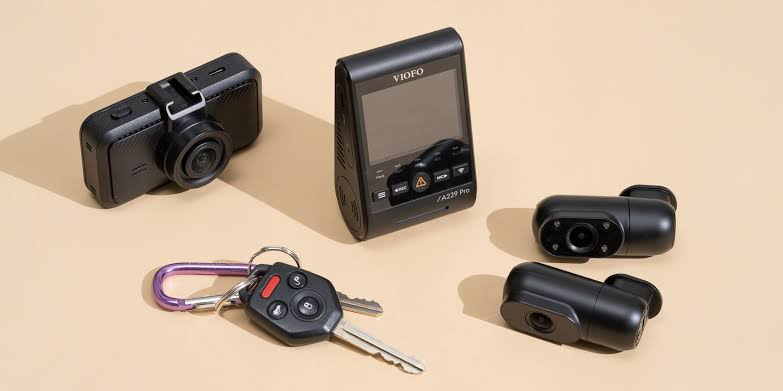
Best Dash Cams for Parking Surveillance Overnight
A parked car can be vulnerable to scratches, attempted break-ins, hit-and-run incidents, and vandalism, especially when it stays outside overnight. A dash cam with parking surveillance can help record suspicious activity and provide useful footage if something happens while the vehicle is unattended. However, not every dash cam offers reliable overnight monitoring, so choosing the right model requires more than comparing video resolution.
Drivers exploring technology and automotive advice on magfusehube may also benefit from understanding how parking mode, night vision, power management, and storage work together. These features determine whether a dash cam can capture useful evidence when the engine is switched off.
What Is Overnight Parking Surveillance?
Overnight parking surveillance is a feature that allows a dash cam to monitor a vehicle while it is parked. Depending on the model, the camera may continue recording continuously, start recording when motion is detected, or save footage when its sensors detect an impact.
This functionality is particularly useful for vehicles parked in apartment complexes, public parking areas, residential driveways, and streets with limited security.
A regular dash cam typically records while driving. A parking surveillance model, however, needs a suitable power source and a parking mode designed to operate when the ignition is off.
Before buying one, drivers should consider where they park, how long the vehicle remains unattended, and whether they need continuous recording or event-based monitoring.
Key Features to Look for in an Overnight Dash Cam
1. Dedicated Parking Mode
Parking mode is one of the most important features for overnight surveillance. It allows the camera to monitor the vehicle without requiring the engine to remain running.
There are several common parking modes:
- Motion detection: Starts recording when movement occurs within the camera’s detection area.
- Impact detection: Saves footage when the camera detects a collision or physical disturbance.
- Time-lapse recording: Captures images at intervals to create a condensed record of activity.
- Buffered parking mode: Keeps a temporary recording buffer so the saved clip can include moments before an event.
Buffered recording can be particularly valuable because it may show what happened immediately before an impact rather than capturing only its aftermath.
Check whether the selected dash cam supports the specific parking mode you need. Some models require a separate hardwiring kit or compatible external battery.
2. Clear Night Vision
A dash cam may produce excellent daytime footage but struggle in dark parking areas. For overnight surveillance, image quality in low light is more important than resolution alone.
Look for a camera with a capable image sensor, a suitable lens aperture, and good low-light processing. Wide dynamic range can also help balance areas with different brightness levels, such as a dark street illuminated by headlights or security lights.
Infrared lighting is sometimes advertised as a night-vision feature. However, infrared illumination is generally more useful for interior-facing cameras than for recording distant objects outside the vehicle. For exterior footage, sensor performance and available ambient lighting are especially important.
Before choosing a camera, review nighttime sample footage rather than relying exclusively on daytime demonstrations.
3. Reliable Power Management
Continuous parking surveillance can consume significant power. If a camera draws too much energy from the vehicle’s battery, the car may not start after sitting overnight or for several days.
There are three common power options.
Hardwiring to the vehicle: A compatible hardwiring kit connects the camera to the vehicle’s electrical system. Many kits include low-voltage protection that cuts power when the battery reaches a configured threshold.
Dedicated dash cam battery: An external battery pack powers the camera during parking. It can reduce the load on the vehicle’s starter battery, although its capacity, charging time, and operating temperature limits should be considered.
Built-in battery or supercapacitor: These components may help a camera save footage or shut down safely, but they generally should not be assumed to support hours of continuous overnight surveillance.
Choose a power setup that matches your parking duration. A car parked for eight hours every night has different requirements from one left unattended for an entire weekend.
4. Front and Rear Camera Coverage
A front-facing dash cam can capture activity in front of the vehicle, but it may miss someone approaching from behind or damaging the rear bumper.
A dual-channel system records both the front and rear views. Some models also support an interior camera, which can be useful for monitoring activity inside the cabin.
Consider the layout of your parking space before deciding which configuration to buy. For example, a vehicle parked nose-in against a wall may benefit more from rear coverage, while a car parked beside a busy walkway may need a wider view of its surroundings.
Keep in mind that a rear camera’s field of view and night performance can differ from those of the front camera. Check the specifications for both channels.
5. Storage Capacity and Loop Recording
Parking footage needs enough storage to preserve important events. Most dash cams use microSD cards and loop recording, which automatically overwrites older footage when the card becomes full.
A larger compatible memory card can provide more recording time, but actual capacity requirements depend on video resolution, frame rate, compression, and the number of active cameras.
Look for a camera that supports high-endurance memory cards designed for frequent recording and rewriting. Standard cards may wear out faster under continuous surveillance workloads.
Event-locking functionality is also useful because it can protect important clips from being overwritten during normal loop recording. Nevertheless, locked files can eventually fill available storage, so periodically review and back up important footage.
Types of Dash Cams Suitable for Overnight Monitoring
Different camera designs suit different parking situations. Understanding their strengths makes it easier to choose a practical option.
Single-Channel Dash Cams
Single-channel models record through a front-facing camera. They are generally simpler to install and may cost less than multi-camera systems.
They can work well when the main concern is damage or suspicious activity in front of the vehicle. However, they provide limited coverage when incidents occur outside the camera’s field of view.
Dual-Channel Dash Cams
Dual-channel systems typically include front and rear cameras. They are a practical choice for drivers who want broader coverage while parking in shared lots, on public streets, or in busy residential areas.
Before purchasing one, confirm that parking mode supports both cameras simultaneously. Some systems may reduce functionality or recording quality when operating in parking mode.
Three-Channel Dash Cams
Three-channel models commonly record the front, rear, and interior of a vehicle. They may be useful for rideshare drivers, taxi operators, or owners who want additional cabin coverage.
The extra camera can increase storage consumption and power requirements. Installation may also be more complicated, so check the system’s parking capabilities carefully.
How to Choose the Right Model for Your Parking Situation
There is no single best dash cam for every vehicle. The right option depends on how and where the car is parked.
If you park in a well-lit private driveway, a camera with reliable motion detection and clear nighttime recording may be sufficient. If your car stays on a poorly lit street, prioritize low-light image quality, impact detection, and dependable power management.
Drivers who regularly park in public garages may prefer front and rear coverage because incidents can occur at either end of the vehicle. Those who leave a car unattended for several days should pay particular attention to battery protection and external power options.
It is also worth comparing installation costs. A lower-priced camera may become more expensive once a compatible hardwiring kit, professional installation, or external battery is included.
Installation Tips for Better Overnight Surveillance
Correct installation can make a significant difference in recording quality and reliability.
First, position the front camera where it has a clear view of the road and nearby parking area without obstructing the driver’s visibility. Clean the windshield before mounting the camera, and ensure that the lens is not blocked by stickers or accessories.
Next, install the rear camera according to the manufacturer’s instructions. Route cables safely away from moving parts and areas where they could interfere with airbags.
If you use a hardwiring kit, have the system installed correctly and configure its low-voltage cutoff. Incorrect wiring can create electrical problems or interfere with vehicle systems.
Finally, test parking mode before relying on it. Turn off the ignition, lock the vehicle if required, and verify that the camera enters parking mode. Simulate a safe, low-risk event to confirm that recordings are saved and accessible.
Privacy, Security, and Legal Considerations
Dash cam recordings may capture pedestrians, neighboring vehicles, license plates, and private property. Before using a camera continuously, consider the privacy rules that apply in your location.
Audio recording can raise additional privacy concerns, particularly when conversations are captured without the knowledge of everyone involved. Disable audio recording when it is unnecessary or inappropriate.
Footage should also be stored securely. Use device passwords or supported security features where available, avoid sharing recordings publicly without a valid reason, and retain only the footage you need.
For general vehicle safety guidance, consult the National Highway Traffic Safety Administration. Always check local laws and your vehicle manufacturer’s guidance before installing or operating a surveillance system.
Common Mistakes to Avoid
One common mistake is assuming that a camera with 4K resolution will automatically provide better evidence at night. Resolution matters, but sensor quality, exposure, glare handling, and lighting conditions can have a greater effect on how clearly important details appear.
Another mistake is purchasing a camera with parking mode without checking its power requirements. Some models need additional hardware to monitor the vehicle after the ignition is turned off.
Drivers should also avoid relying on motion detection alone when continuous coverage is important. A system may fail to trigger if movement is outside its detection area or lighting conditions affect its sensors.
Finally, do not ignore maintenance. Check the memory card, review sample recordings, update firmware when appropriate, and verify that the camera continues to enter parking mode after installation changes or vehicle servicing.
Conclusion
The best dash cam for overnight parking surveillance is one that combines dependable parking mode, clear nighttime footage, suitable camera coverage, reliable storage, and safe power management. The right combination depends on your parking environment, budget, and how long your vehicle remains unattended.
Before purchasing, compare real nighttime recordings, confirm whether additional hardware is required, and check that the camera can operate for your expected parking duration. A properly installed and tested system can provide valuable footage when an incident occurs, helping you understand what happened and preserve relevant evidence.